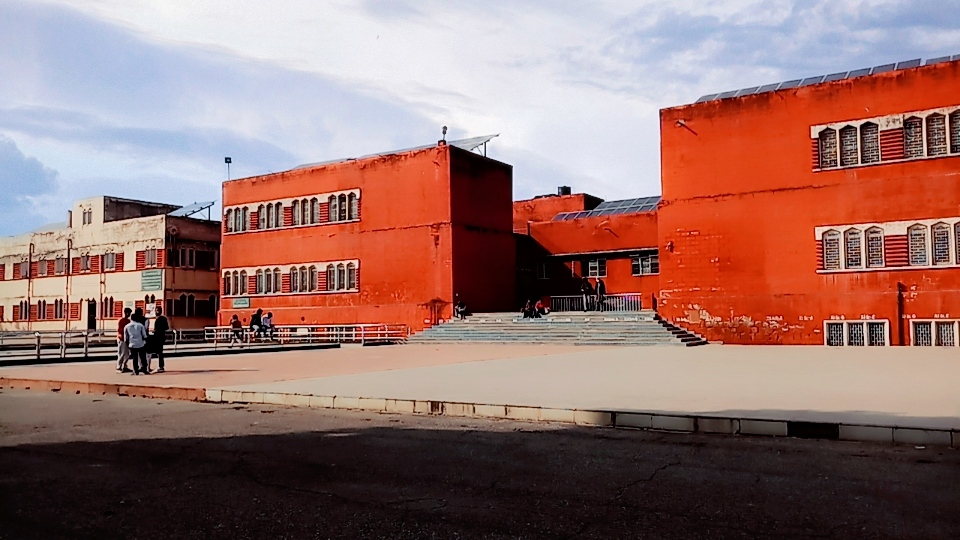
A boy from Bihar.
My first encounter with a formal school.
The roads felt endless. The traffic, aggressive. Everything moved faster than my mind could process.
Then I saw my school for the first time. Only three storeys tall — but it felt gigantic.
A boy from Bihar.
My first encounter with a formal school.
The roads felt endless. The traffic, aggressive. Everything moved faster than my mind could process.
Then I saw my school for the first time. Only three storeys tall — but it felt gigantic.
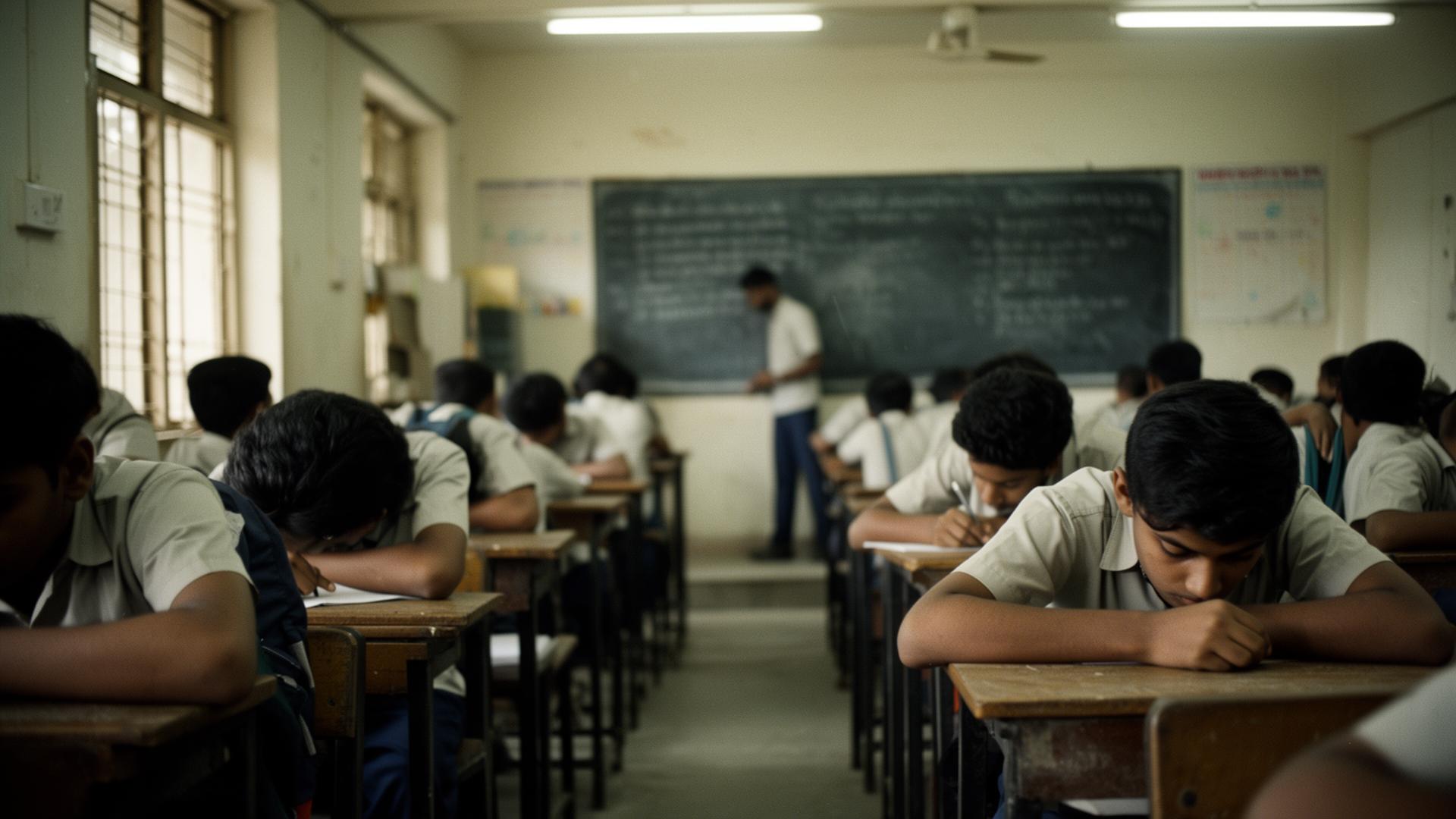
The back of the room is where students quietly disappear.
Why do classrooms permanently place some students at the back?
Why do learning spaces feel like factories of obedience rather than places of curiosity?
The back of the room is where students quietly disappear.
Why do classrooms permanently place some students at the back?
Why do learning spaces feel like factories of obedience rather than places of curiosity?
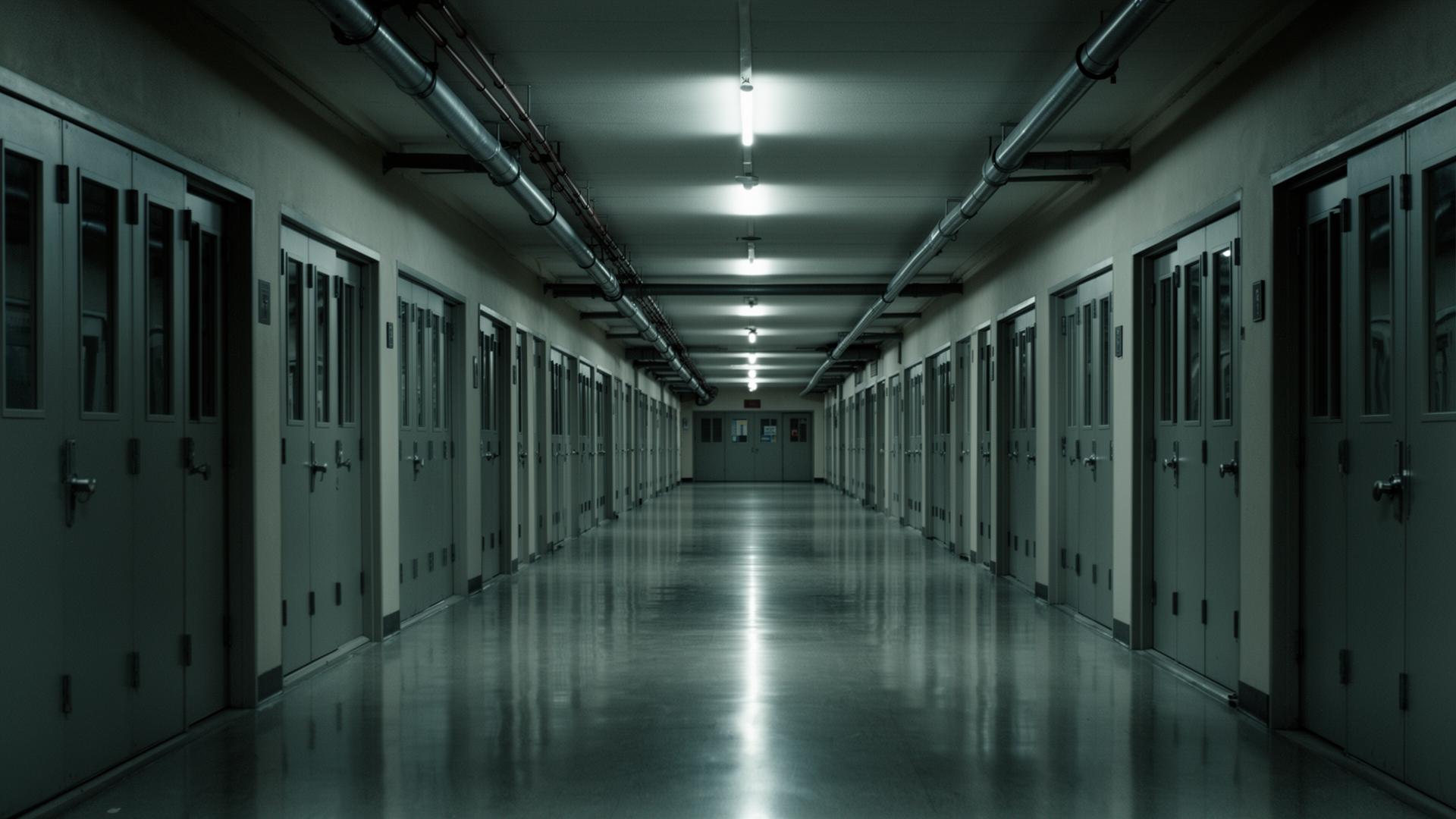
A corridor built for movement, hostile to encounter.
A corridor built for movement, hostile to encounter.
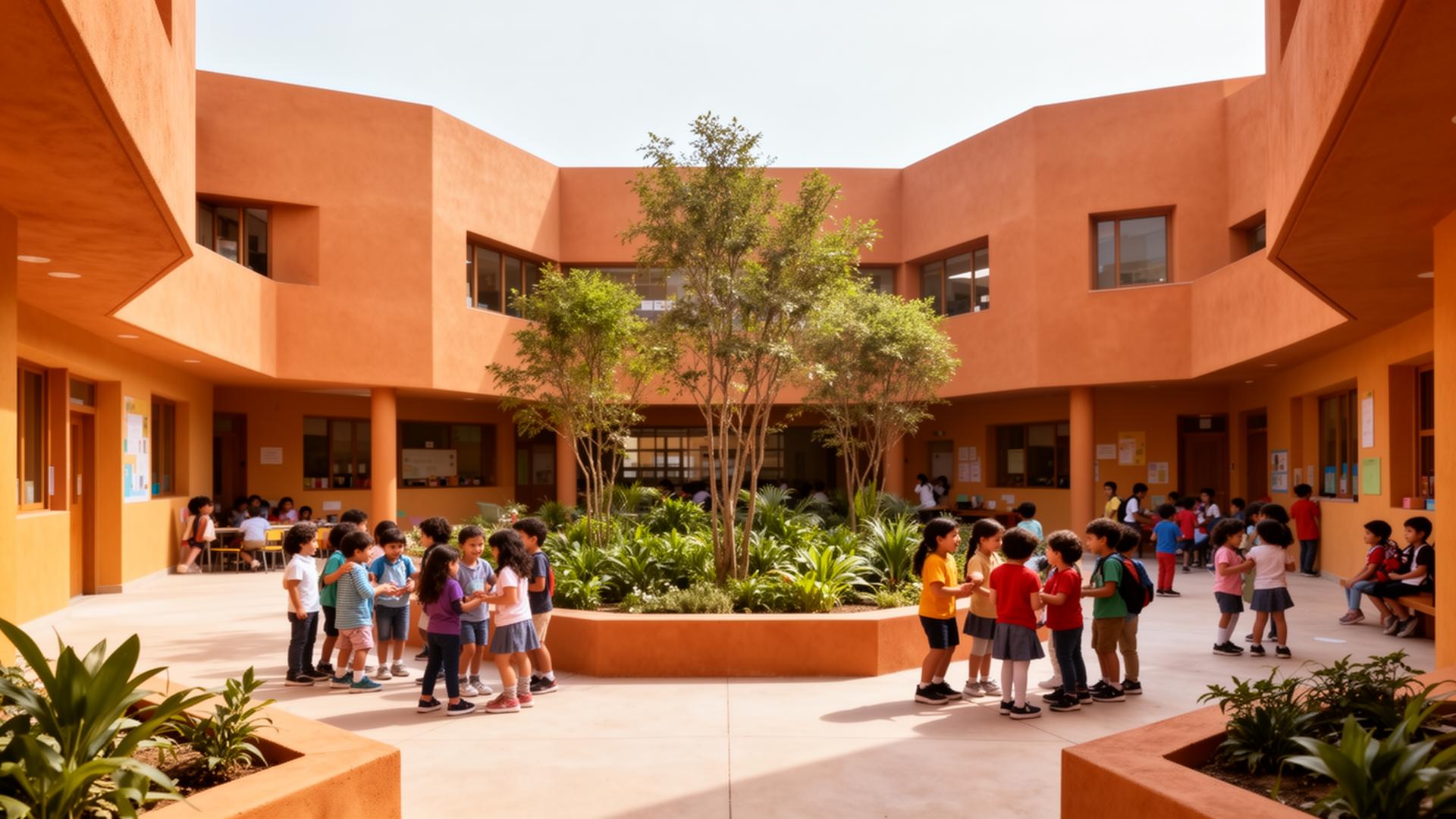
A learning community. Not a system of rows.
Hexagonal classrooms in small clusters of similar age groups. Each cluster has its own courtyard — an open-to-sky room of interaction.
Architecture that encourages curiosity through space itself, not rules.
A learning community. Not a system of rows.
Hexagonal classrooms in small clusters of similar age groups. Each cluster has its own courtyard — an open-to-sky room of interaction.
Architecture that encourages curiosity through space itself, not rules.
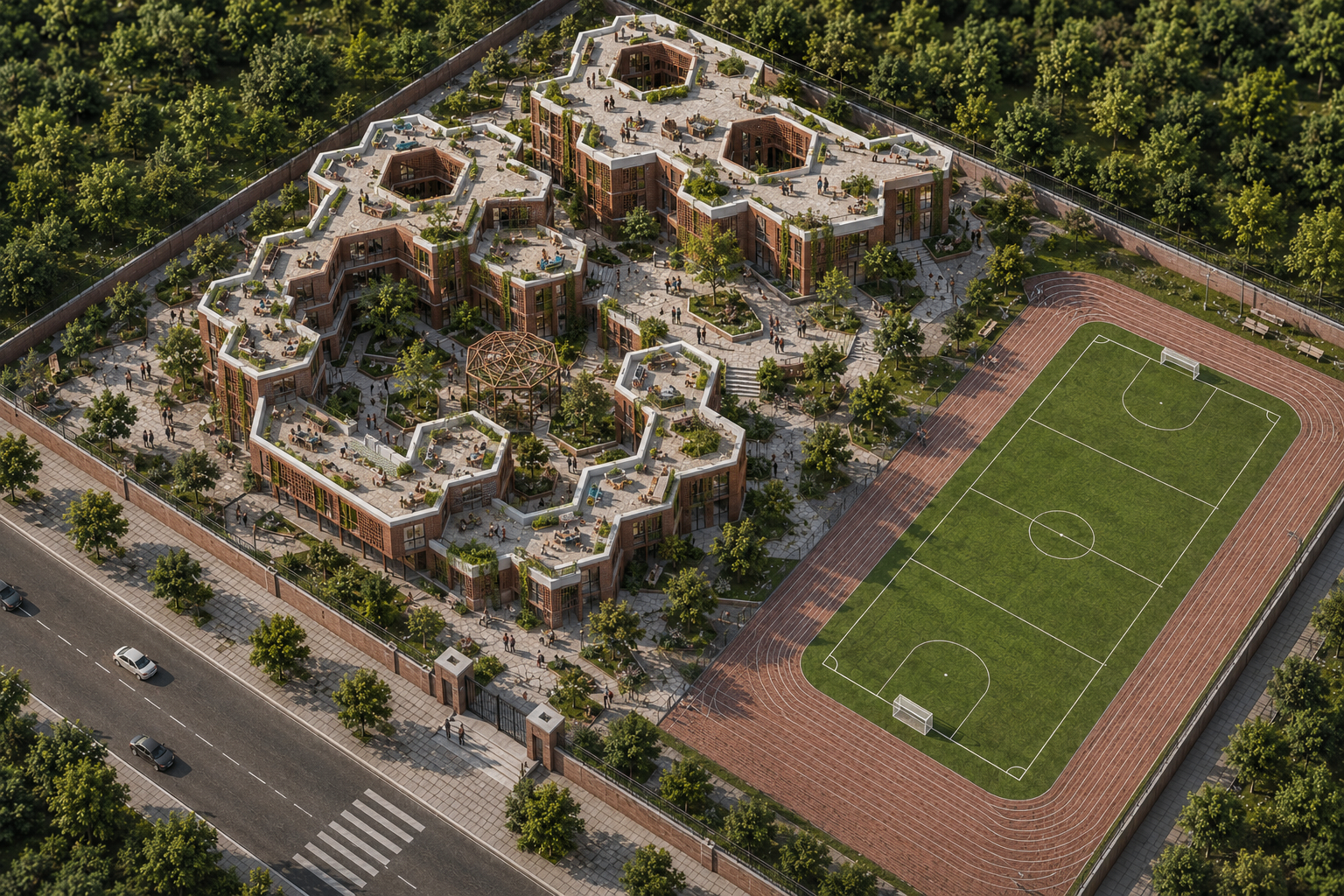
Clusters around courtyards. Open to sky, open to each other.
Clusters around courtyards. Open to sky, open to each other.
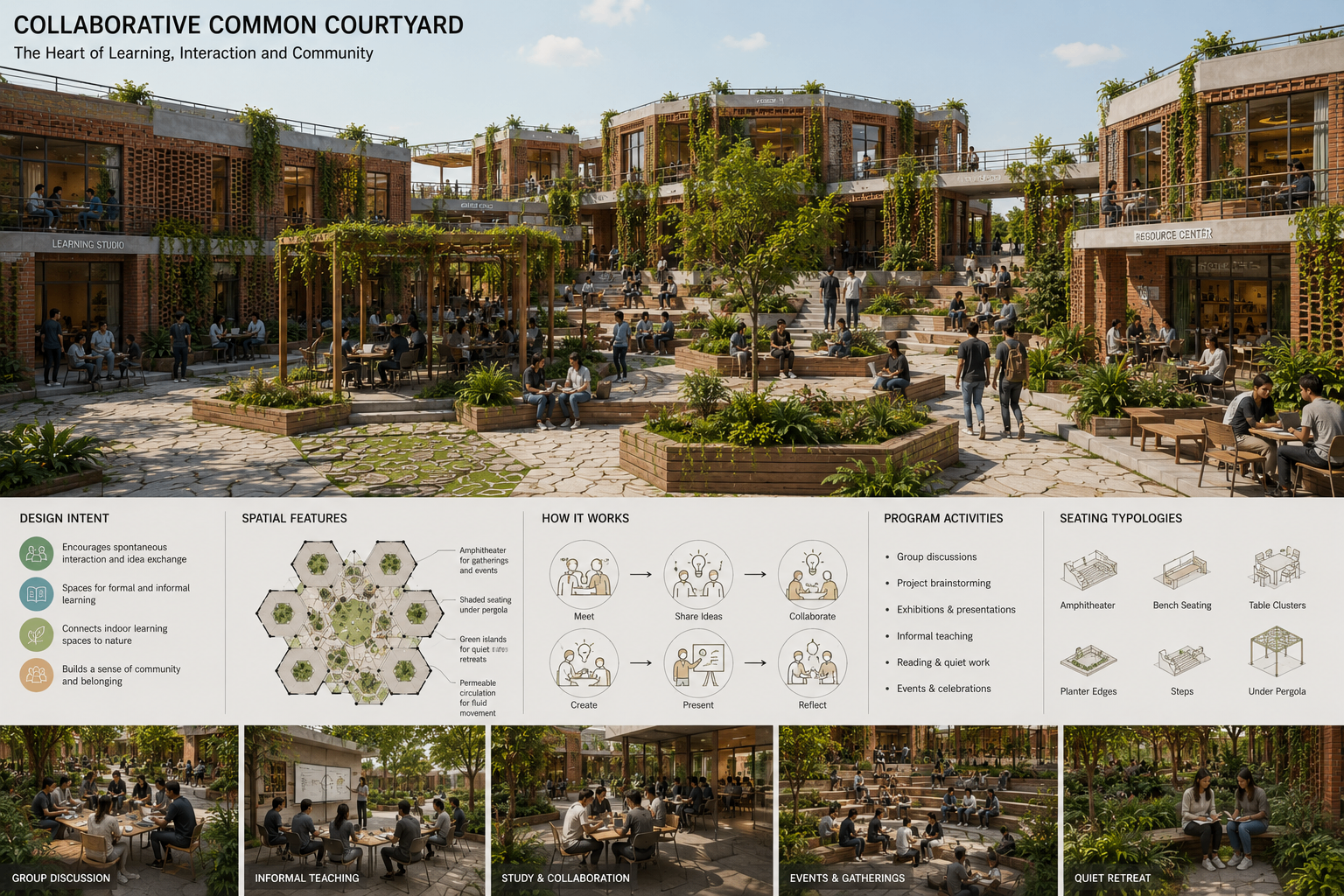
The collaborative common courtyard.
The collaborative common courtyard.
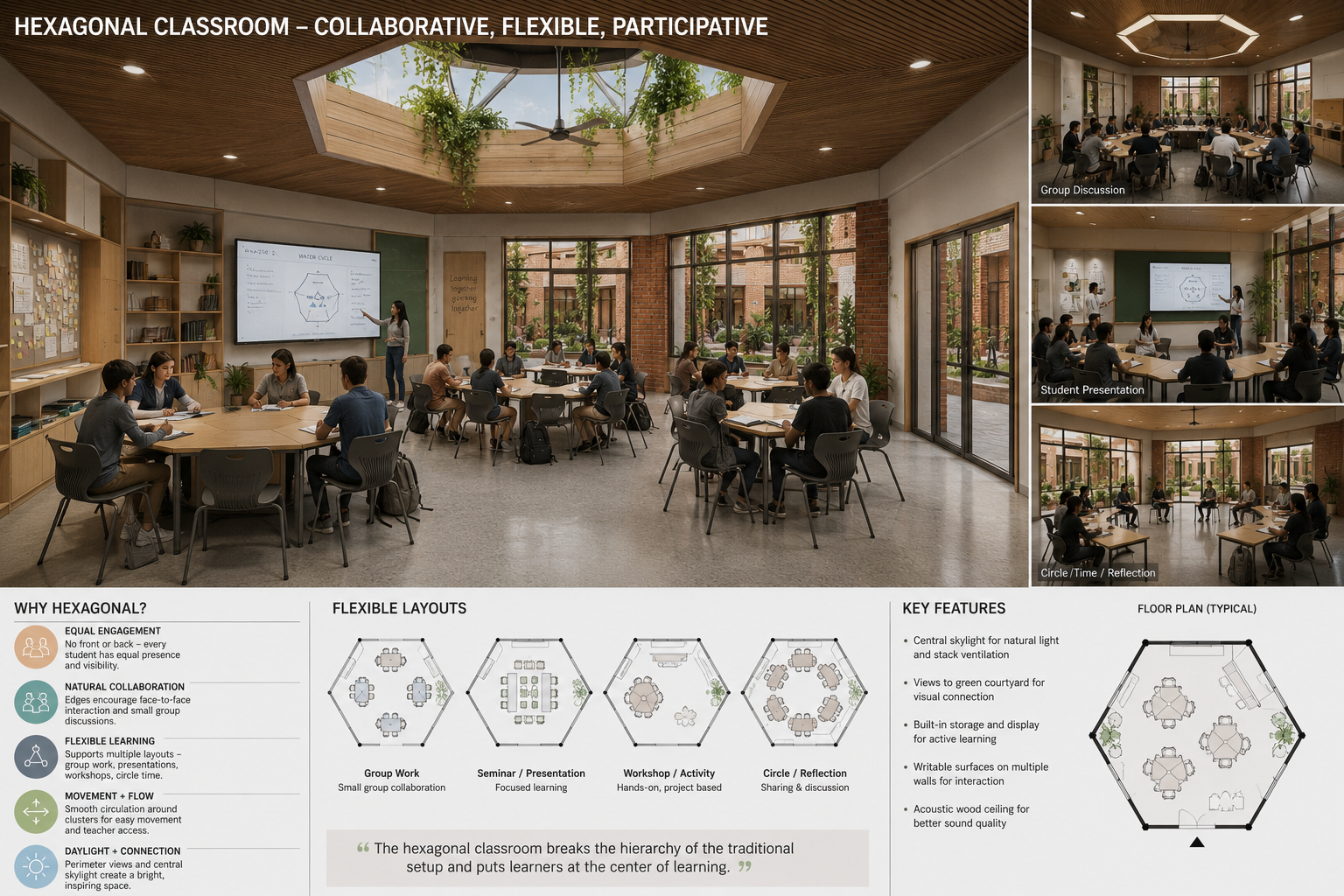
Hexagonal classroom — collaborative, flexible, participative.
Hexagonal classroom — collaborative, flexible, participative.
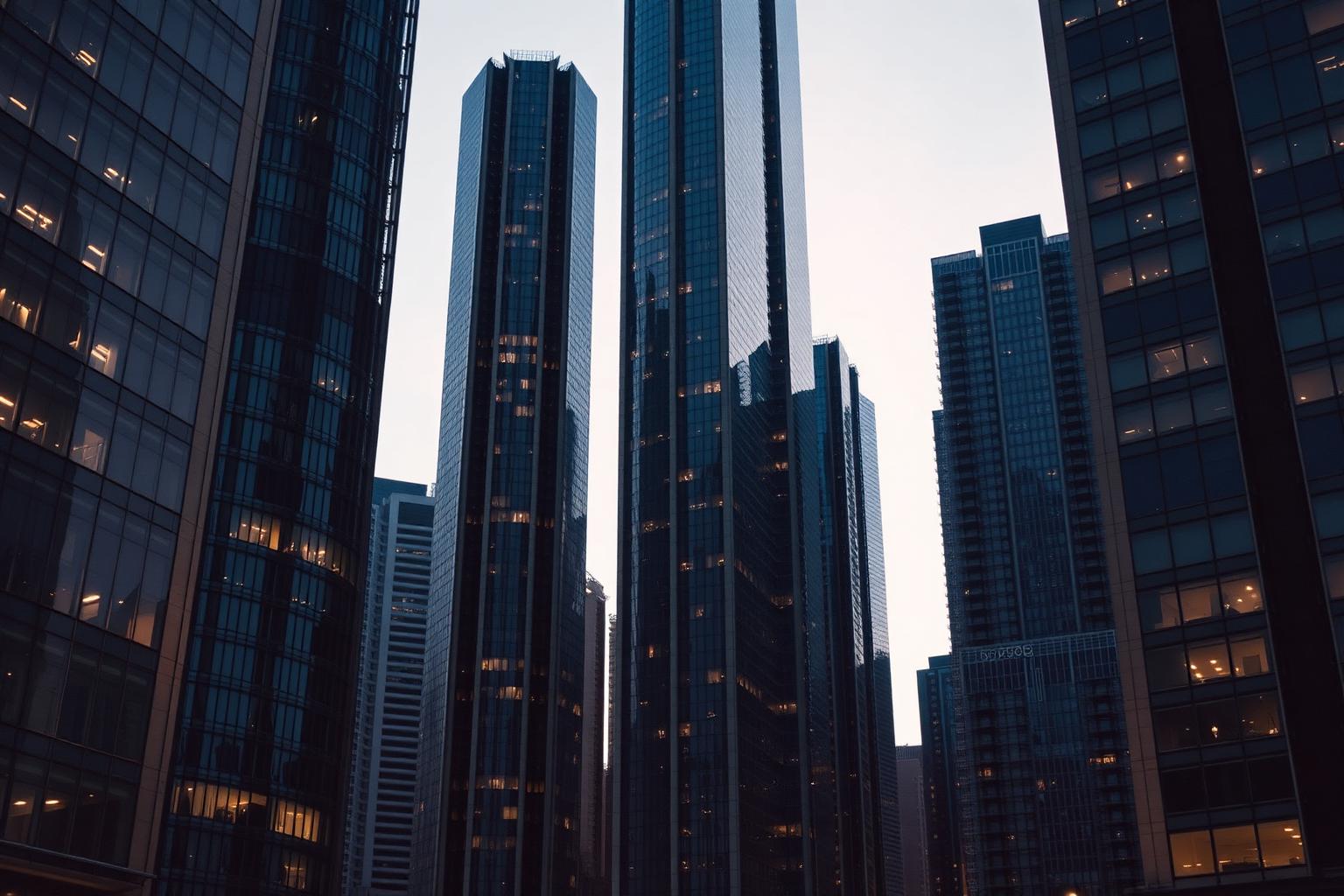
Design is never passive.
- A narrow corridor — changes interaction.
- A dark room — changes emotion.
- A public square — changes community.
- A window — changes mental health.
- The distance between two chairs — shapes trust.
Design is never passive.
- A narrow corridor — changes interaction.
- A dark room — changes emotion.
- A public square — changes community.
- A window — changes mental health.
- The distance between two chairs — shapes trust.
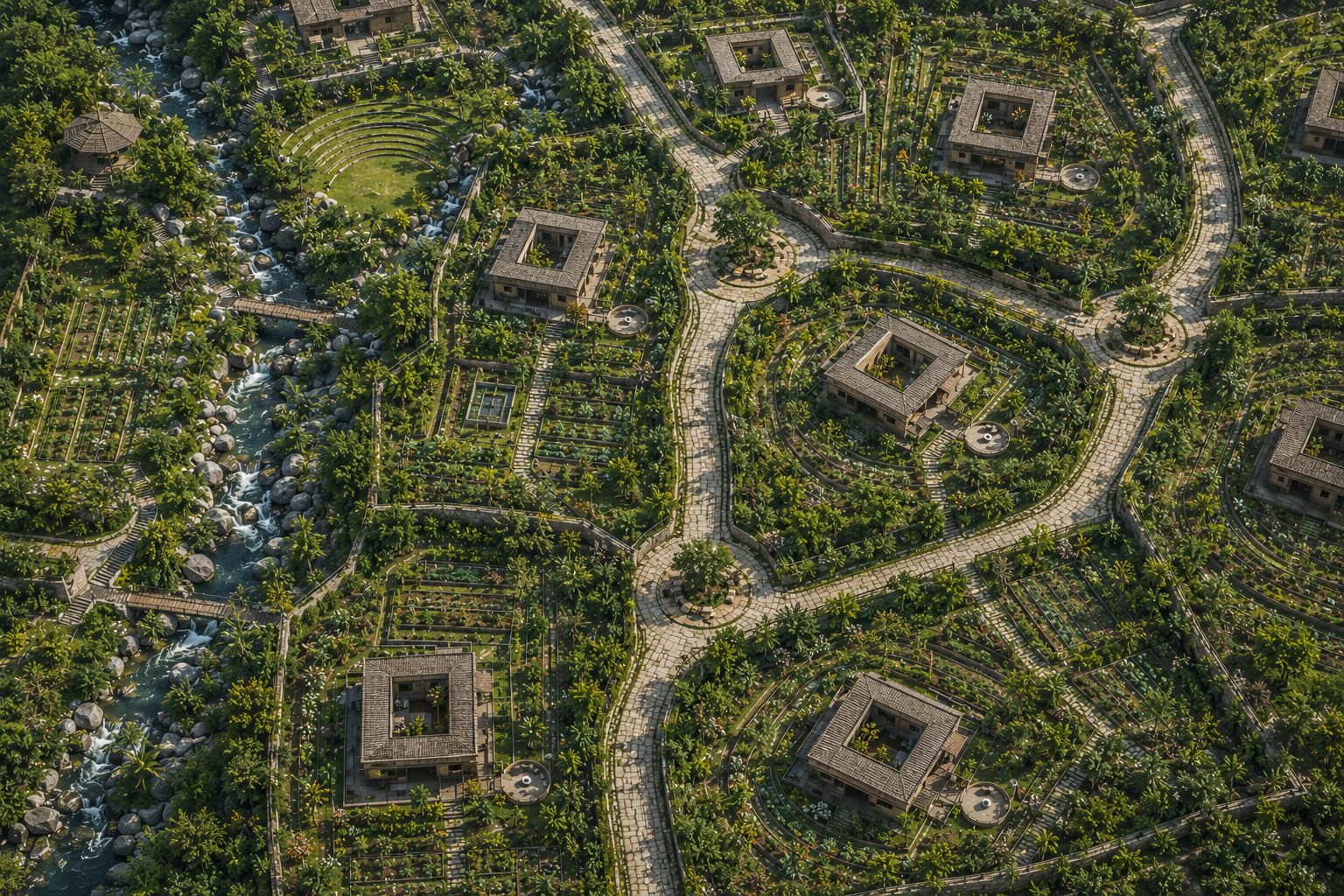
A Lifestyle, re-imagined.
A Lifestyle, re-imagined.
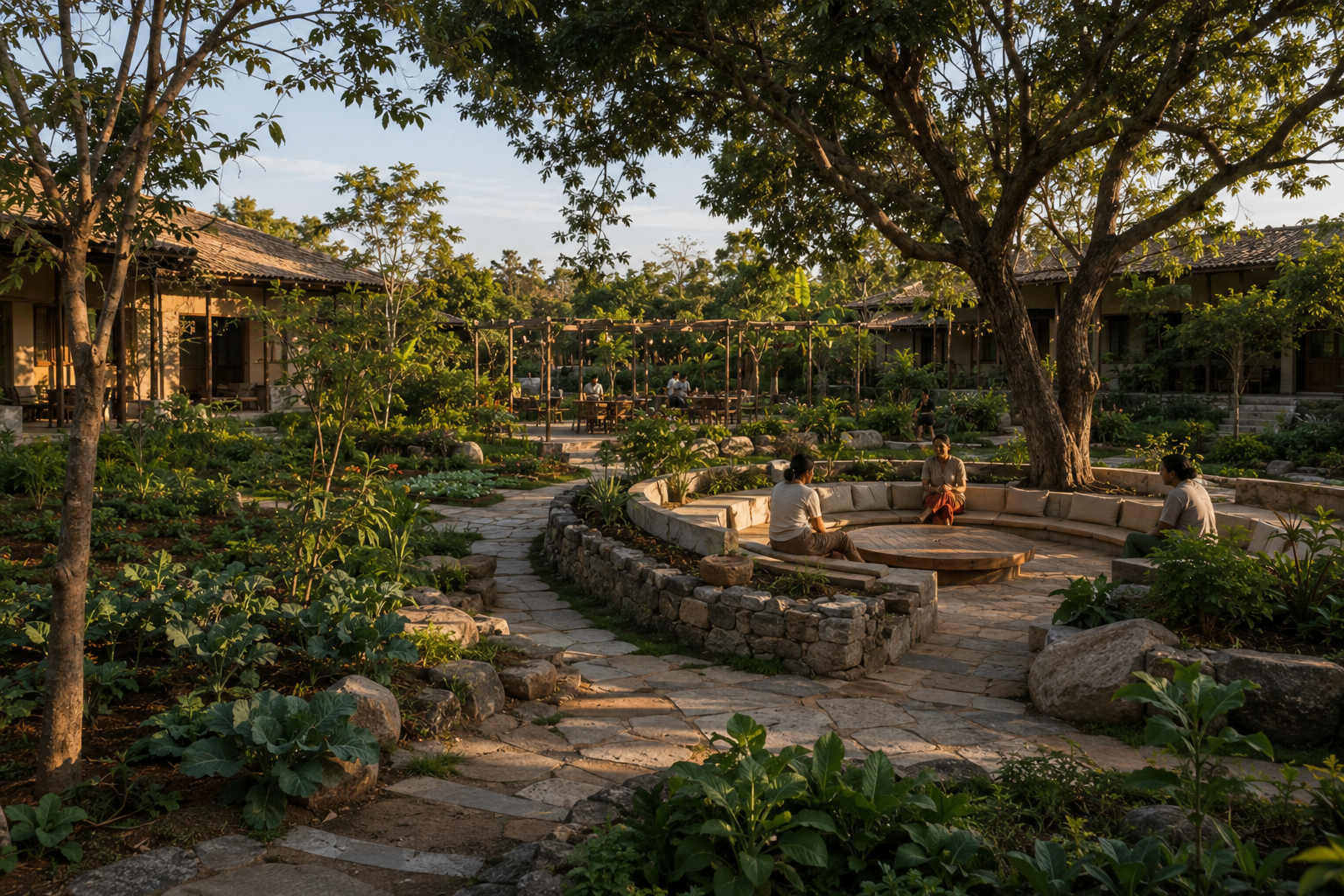
Could we live differently again?
Could we live differently again?
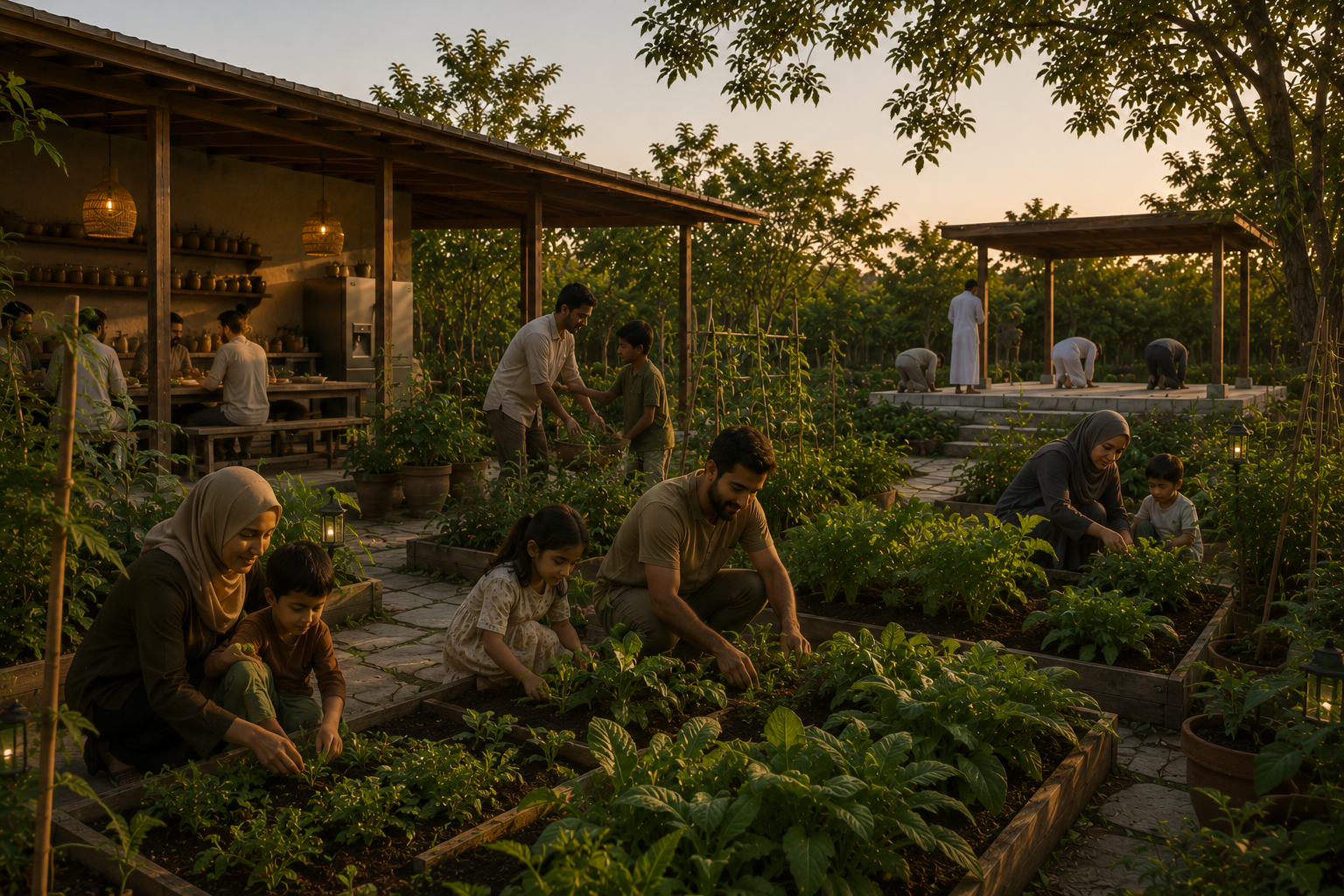
A shared meal, a shared prayer, a shared evening.
A community where people stay connected instead of isolated. Where food is grown collectively. Where livestock, farming, and daily life are integrated back into human rhythm.
A shared meal, a shared prayer, a shared evening.
A community where people stay connected instead of isolated. Where food is grown collectively. Where livestock, farming, and daily life are integrated back into human rhythm.